

New Tools and Inspiration for ESOP Communication
Employee Ownership Month in October is a great opportunity to launch new approaches to communication. This article provides information on a new on-demand ESOP communication service that provides access to customizable tools, insights and guides for those who are responsible for communicating the benefits of an ESOP.

Re-energize your ESOP Annual Meeting
This article provides ideas and examples of ways to spice up an annual meeting at an employee-owned company. If you are looking for a new way to convey your critically important ownership messages, these high energy ESOP-focused presentations and interactive activities help you to enhance appreciation of your ESOP and build your ownership culture.
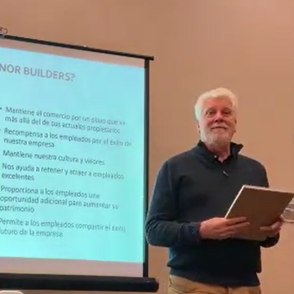
Deepen ESOP Appreciation in Spanish & English
Trainor Builders did not want two different meetings in two languages because establishing the ESOP was a company-wide event. At the same time, they also wanted people to understand this new benefit in their preferred language. This article outlines how they accomplished both and contains tips for success for communicating employee ownership in Spanish and English.

Resolve to Make the Most of Employee Ownership
It’s not too late to resolve to make the most of employee ownership at your company in 2023. Developing and maintaining a robust ownership culture takes time, planning, and consistency. Follow these real-world suggestions to be more effective this year and lay a solid foundation for future success.

The Importance of Building and Sustaining a Recognition Culture to Retain Employees
To improve employee retention at ESOP companies, good compensation and employee ownership must be paired with a robust culture, one where recognition is front and center. A culture of appreciation for employee contributions improves retention and fuels commitment, engagement, and effort to achieve company goals.
Video Modules Teach the Advantages of Being Employee-owned
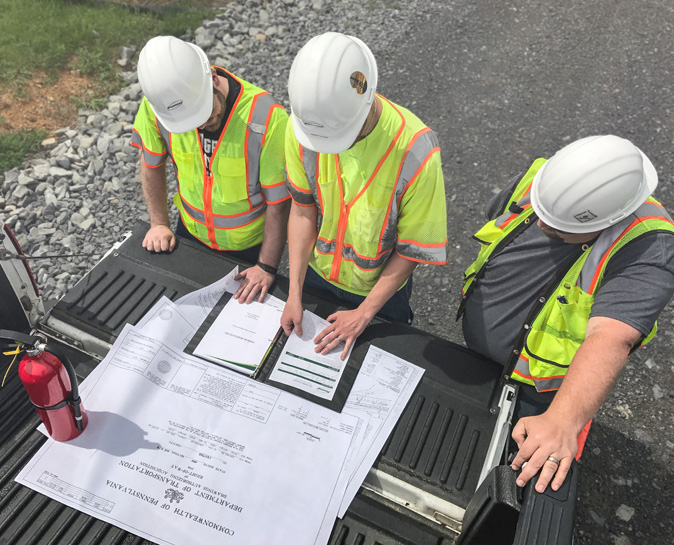
Keeping a workforce informed about your ESOP can be a challenge, especially when your company has over 30 locations with 1,200 employees and counting. That's why Pennoni, 100% ESOP company in Pennsylvania, decided to develop video modules to communicate their ESOP and employee-owned culture effectively and consistently to everyone.

Plan Design for Building an Ownership Culture: Distribution (aka Show Me the Money!)
Distribution, to state the obvious, is a major component of how your ESOP operates. But have you considered how your distribution policy influences people’s perceptions of the value of employee ownership? And how those perceptions impact the creation of a successful ownership culture?

Capturing the attention of a new generation of employees at Bayer Construction
When long-term employees know the tremendous value of the ESOP but your newer employees are unaware, the standard ESOP 101 presentation at the annual meeting is not enough. Bayer Construction Company decided to reach out to its people with a custom, interactive training that would make it easier to get people talking about the company’s unique and valuable ownership structure.

Plan Design to Build Your Ownership Culture: Entry Dates
Plan design decisions are sometimes made with little consideration of how the choices will look to employees and affect their perceptions of the ESOP’s value. However ESOP’s rules can be modified to make your plan a more effective tool to recruit and retain employees and to foster an ownership culture. Today’s topic: plan entry rules.

Avoid the empty promise of ownership
Is your ESOP providing the promised employee motivation, enhanced customer satisfaction and improved profitability? If no, you’re not alone. It’s never too late to start or improve the tools you use to get the most out of shared ownership.
Listening to suggestions: It’s harder than we think
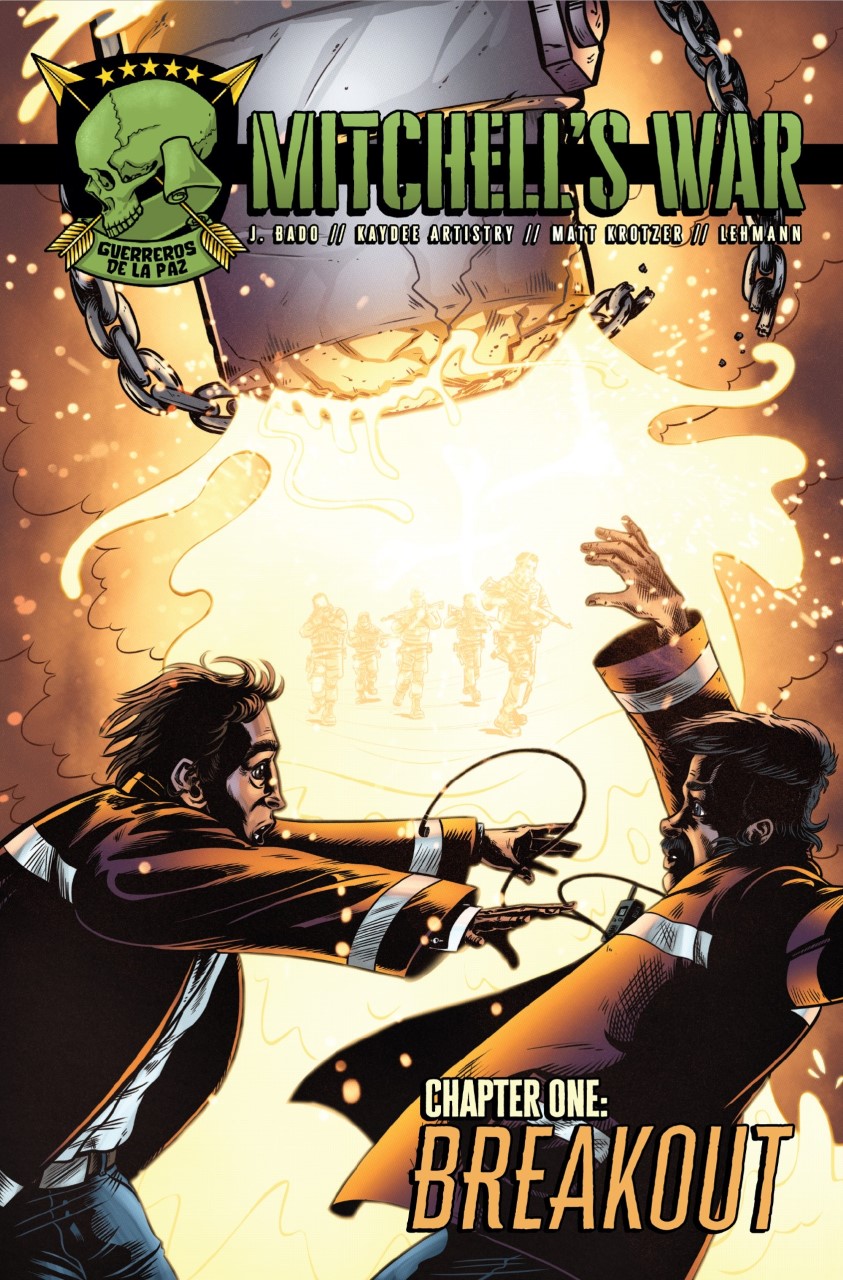
Receiving feedback can be a powerful tool for improving yourself, your business and ESOP stock value. But, when done incorrectly, it can be powerfully destructive. Here are some practical lessons for any employee owner from my real-world experience struggling to receive feedback on my personal project: the first employee-ownership comic book tale, Mitchell’s War.

Bringing New Employee Owners into Your Ownership Culture
The challenge of building a successful ownership culture grows exponentially when an employee-owned company acquires another business. So how does an ESOP company address these issues when its core business strategy is acquiring other businesses? Empowered Ventures (EV) sees adding new companies and employee owners to its growing family of businesses as more of an opportunity than a challenge.